Can Dogs Eat Watermelon? Safe Summer Treats For Pups
Summer is here, and nothing beats the heat like a juicy slice of watermelon. But can your four-legged friend join in on the fun? If you've ever wondered whether watermelon is safe for dogs, you're not alone. This sweet, hydrating fruit might seem like a no-brainer for a pup's treat, but there's more to it than meets the eye. Let's dive into the juicy details this summer to keep your dog happy and healthy.
Why Watermelon?
Watermelon isn't just a refreshing snack for humans—it's also packed with nutrients that can benefit dogs. The fruit is low in calories but high in vitamins A, B6, and C, which support immune health and skin vitality. Its high water content (over 90%!) makes it a fantastic way to keep dogs hydrated during hot weather. But there are essential rules before you toss a chunk to your pup.

Is Watermelon Safe For Dogs?
The short answer is yes, but with caveats. The red fleshy part of watermelon is safe for dogs in small amounts. However, the seeds, rind, and skin are off-limits. Watermelon seeds can cause intestinal blockages, especially in smaller breeds, while the rind and skin are tough to digest and may lead to stomach upset or choking. Always remove seeds and cut the fruit into bite-sized pieces to avoid hazards.
Moderation is key for puppies. Their sensitive stomachs might react to even small portions, so start with a tiny piece and monitor their reaction. If your dog has diabetes, skip watermelon altogether due to its high sugar content.
Benefits Of Watermelon For Dogs
Hydration Boost
On a scorching day, watermelon’s high water content helps prevent dehydration. It’s a sneaky way to keep your dog cool without relying solely on water bowls.
Nutrient-Rich
Vitamins A and C support eye health and immunity, while potassium helps maintain healthy muscles and nerves. These nutrients work together to keep your pup active and strong.
Antioxidant Power
Lycopene, which gives watermelon its red hue, fights free radicals and reduces inflammation. This can lower the risk of chronic diseases and keep your dog's coat shiny.
Low-Calorie Treat
Unlike store-bought treats with fillers, watermelon is a guilt-free option for dogs watching their weight. Just remember: treats should make up no more than 10% of their daily calories.
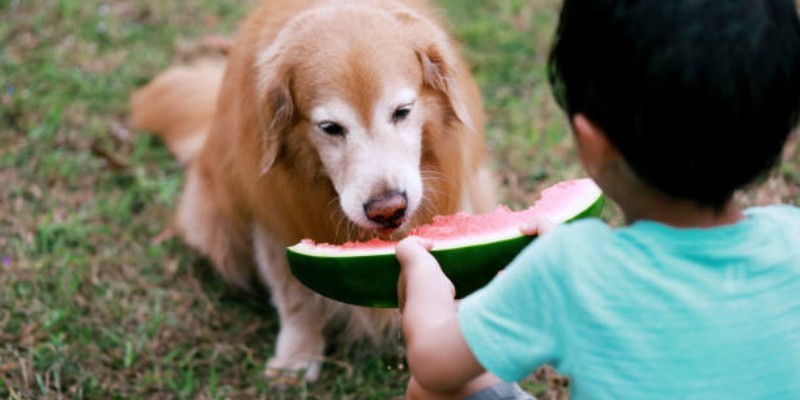
How To Serve Watermelon To Your Dog
Serving watermelon safely is simple:
Remove seeds: Opt for seedless varieties to avoid choking or digestive issues.
Peel the rind: The green outer layer is tough and can cause blockages.
Cut into small pieces: Bite-sized chunks reduce choking risks, especially for small breeds.
Freeze it: Blend watermelon into a puree and freeze it in ice cube trays for a cooling treat.
Avoid adding seasonings, sugar, or artificial sweeteners like xylitol, which is toxic to dogs.
Risks To Watch For
While watermelon is safe in moderation, there are risks to consider:
Overfeeding: Too much can lead to diarrhoea, vomiting, or an upset stomach.
Choking hazards: Large pieces or seeds pose risks, particularly for eager eaters.
Sugar content: High sugar levels aren't ideal for diabetic dogs or those prone to weight gain.
If your dog accidentally eats the rind or a seeded variety, watch for signs of distress, such as lethargy, vomiting, or difficulty passing stool. Contact your vet if symptoms arise.
Alternatives To Watermelon
If your dog turns up their nose at watermelon, try these dog-friendly summer treats:
Cucumber slices: Crunchy, hydrating, and low in calories.
Blueberries: Packed with antioxidants and easy to portion.
Apple slices: Remove seeds and serve as a sweet, fibre-rich snack.
Always introduce new foods slowly to avoid digestive upsets.
When To Skip Watermelon
Not all dogs should indulge. Puppies with sensitive stomachs, senior dogs with dental issues, or breeds prone to pancreatitis (like Miniature Schnauzers) may need to avoid watermelon. When in doubt, consult your vet before sharing any human food.
Summer Treats Done Right
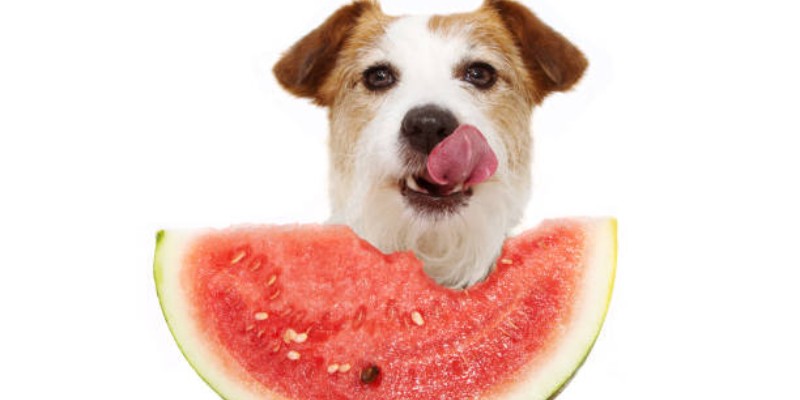
Watermelon can be a delightful addition to your dog's summer routine if served responsibly. Focus on small portions, proper preparation, and moderation. Keep an eye on how your dog reacts, and don't hesitate to explore alternatives if watermelon isn't their favourite.
Choosing The Right Summer Treats For Your Dog
Every dog is unique, so tailor their treats to their health needs and preferences. Whether it's watermelon, cucumbers, or frozen yoghurt bites, prioritise safety and simplicity. You and your pup can enjoy a fun, healthy summer together with some planning.
Recent Articles

5 Best Dog Breeds for First-Time Owners

10 Best Cat Trees for 2025: A Buyer’s Guide

12 Best Small Dog Breeds For Apartment Living

10 Best Toys For Keeping Your Indoor Cat Entertained

10 Essential Puppy Care Tips for First-Time Dog Owners